









پرچ های جامد سر تخت چیست و چگونه در کاربردهای تولید صنعتی استفاده می شود؟
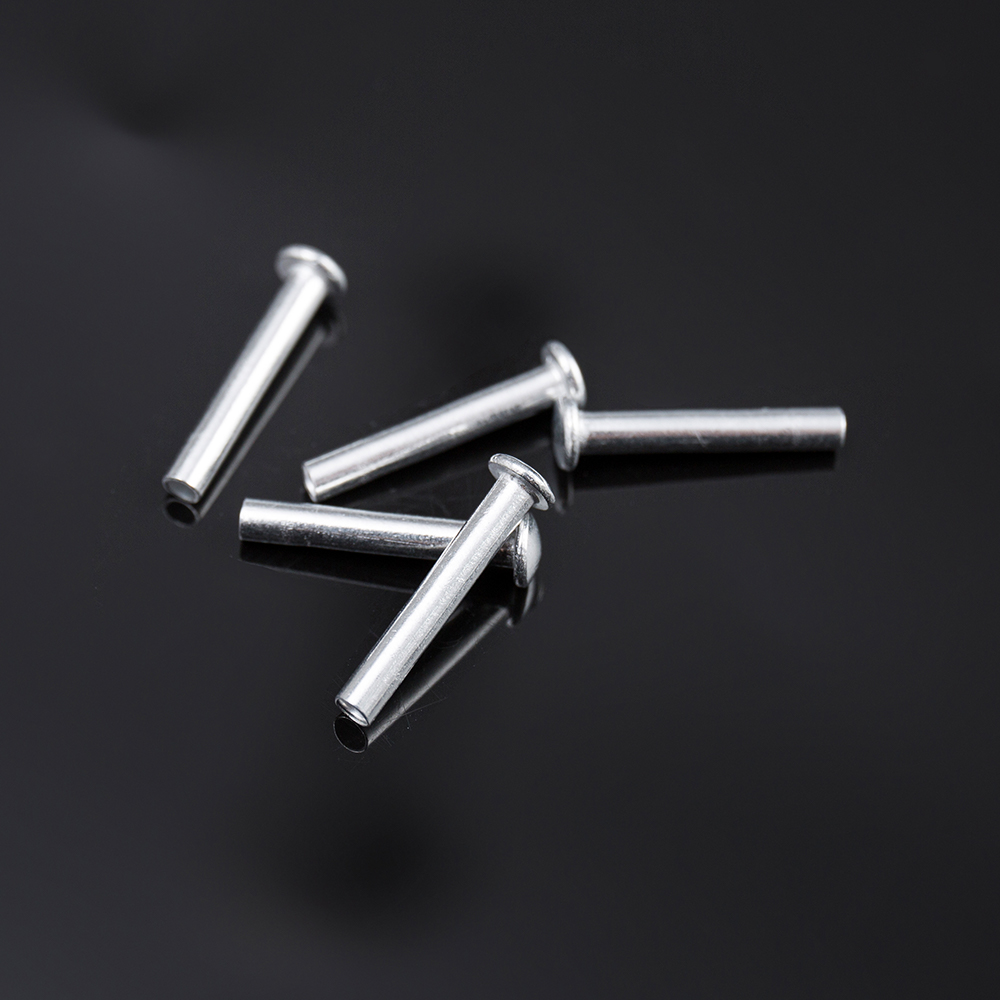
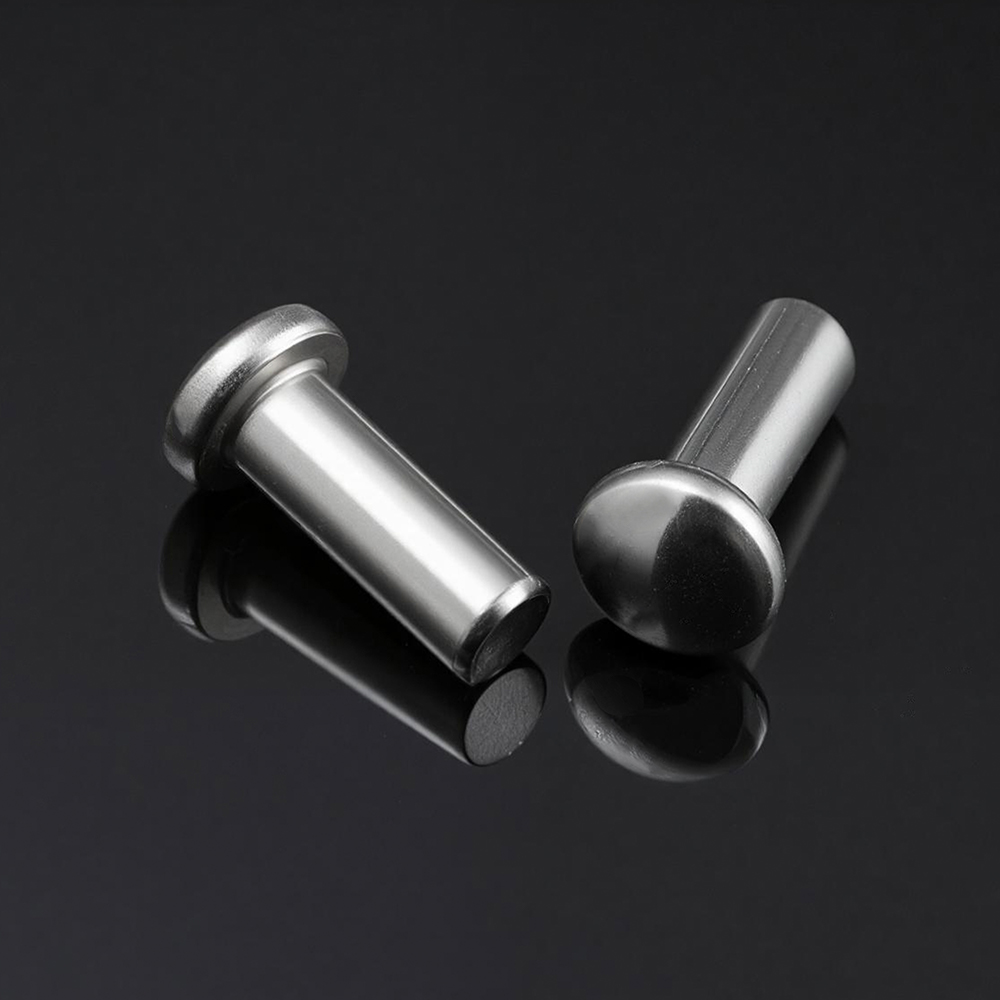
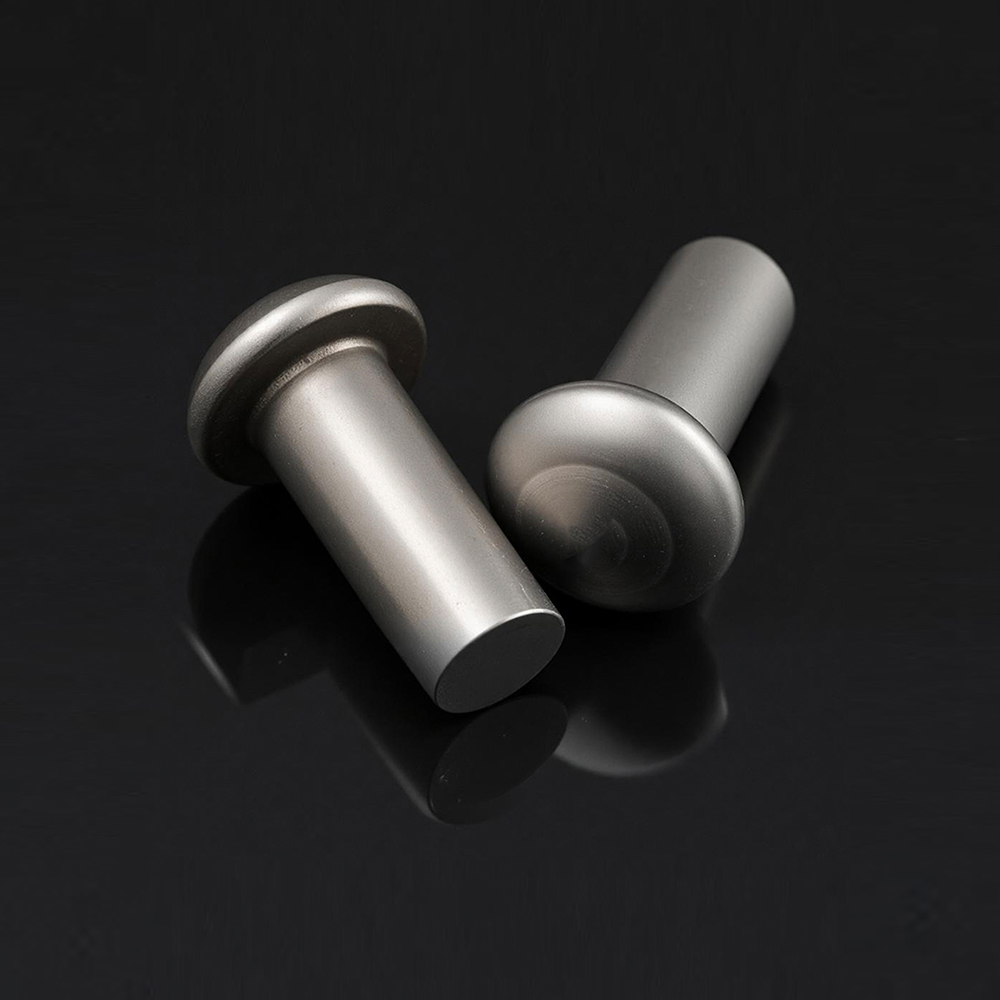
پرچ های جامد سر صاف اجزای اتصال دائمی با بدنه استوانه ای جامد و طراحی سر صاف و کم مشخصات هستند. آنها به طور گسترده در تولید صنعتی استفاده می شوند که در آن اتصالات قوی، بادوام و مقاوم در برابر لرزش مورد نیاز است. برخلاف روشهای بست موقت، پرچهای جامد با تغییر شکل ساقه پرچ در حین نصب، اتصالات دائمی ایجاد میکنند و اتصال مکانیکی مطمئنی را بین اجزای مختلف ایجاد میکنند.
در کاربردهای تولید صنعتی، پرچ های جامد سر تخت معمولاً برای اتصال قطعات فلزی، اجزای ساختاری، مجموعه ماشین آلات و تجهیزات دقیق استفاده می شود. ساختار ساده، استحکام قابل اعتماد و توانایی حفظ پایداری اتصال تحت بارهای پیوسته، آنها را برای کاربردهایی که عملکرد بست طولانیمدت ضروری است، مناسب میسازد.
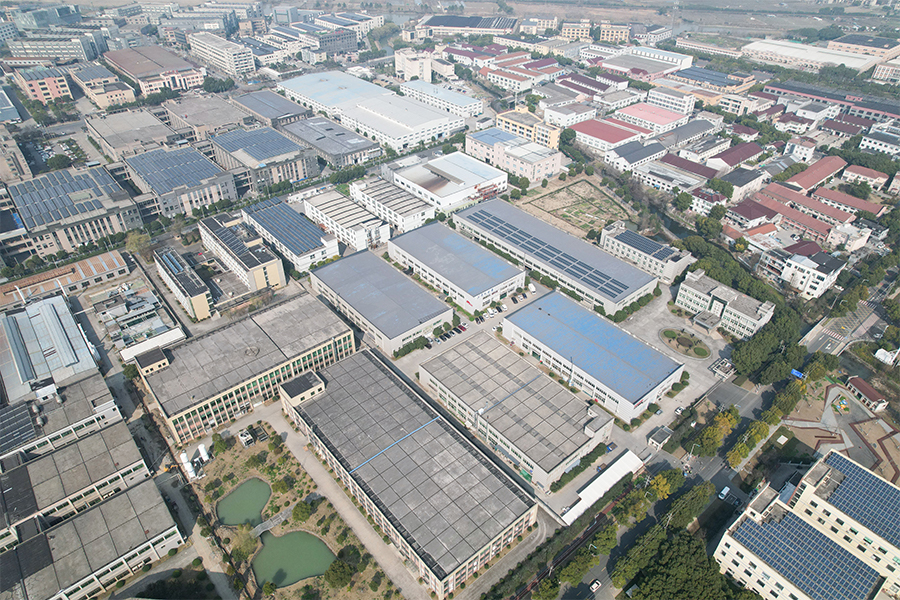
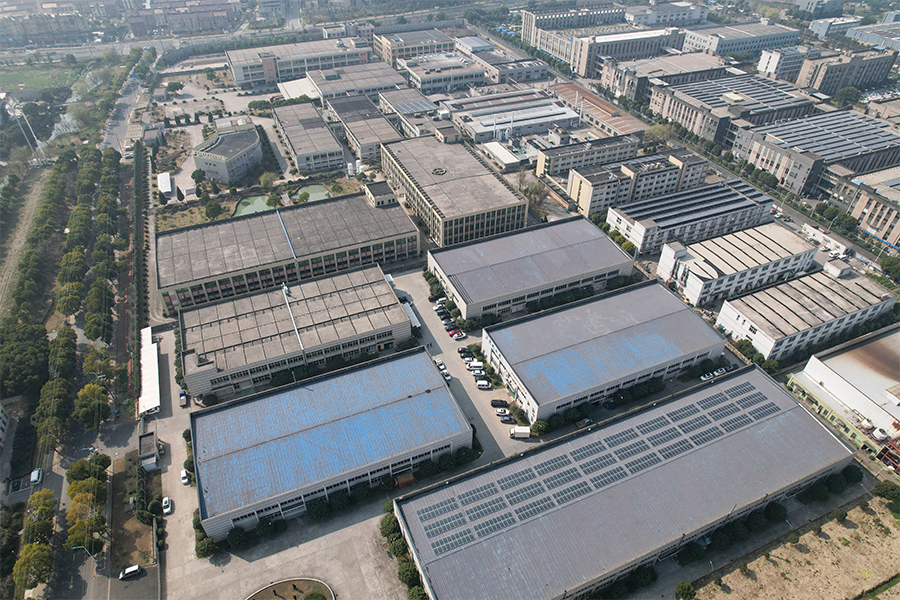
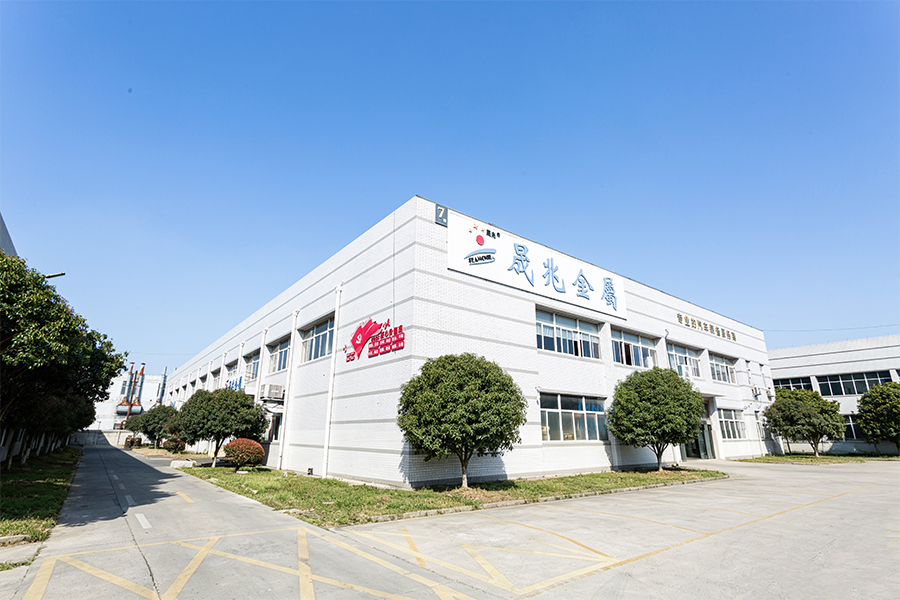
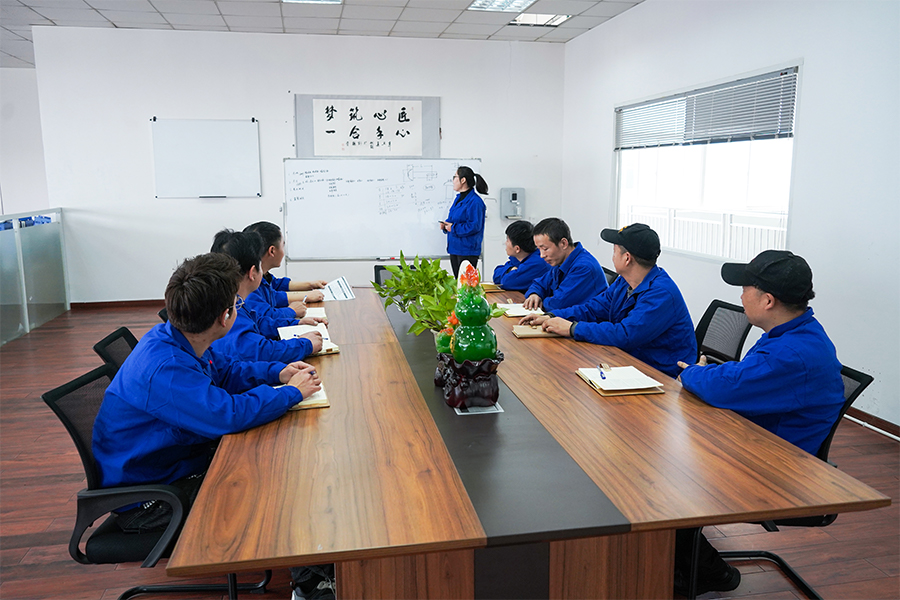
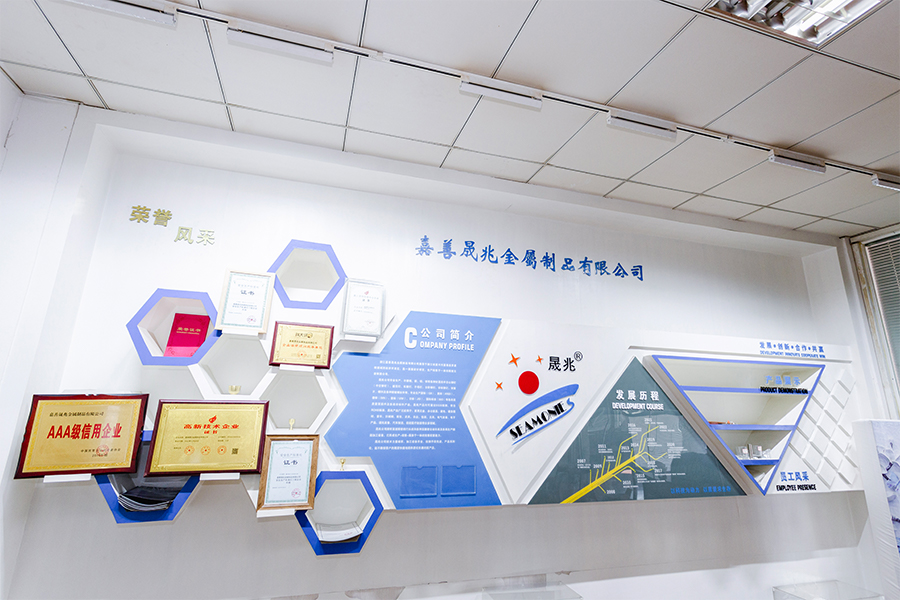
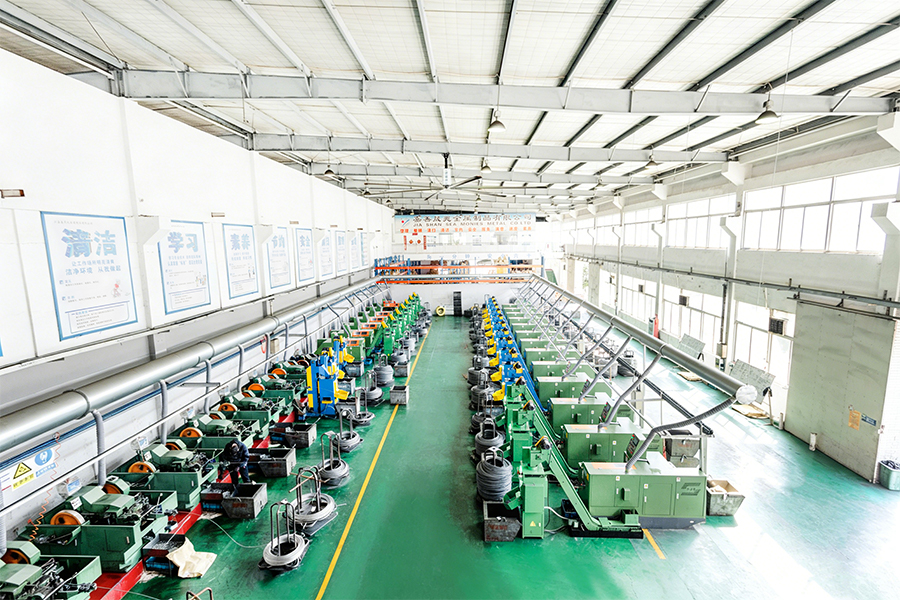
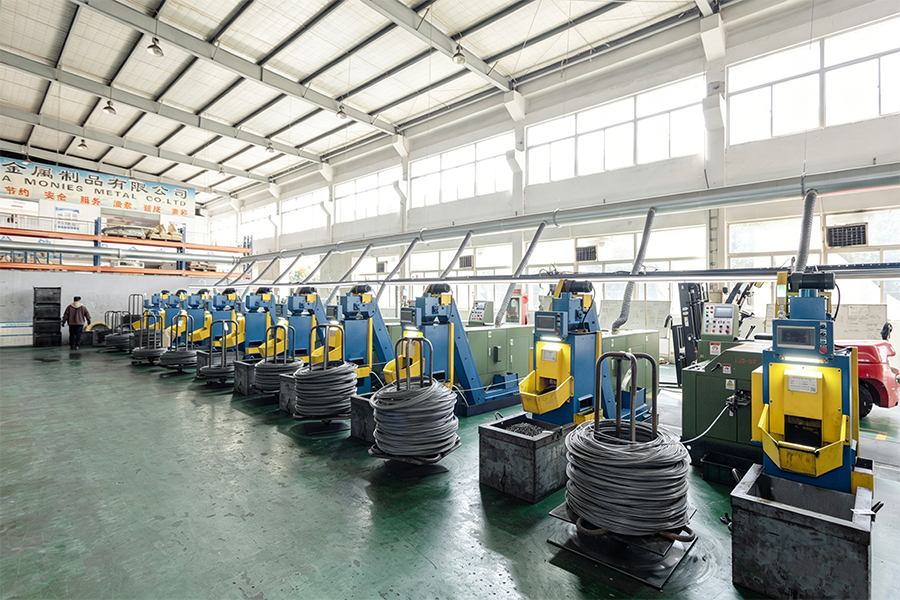
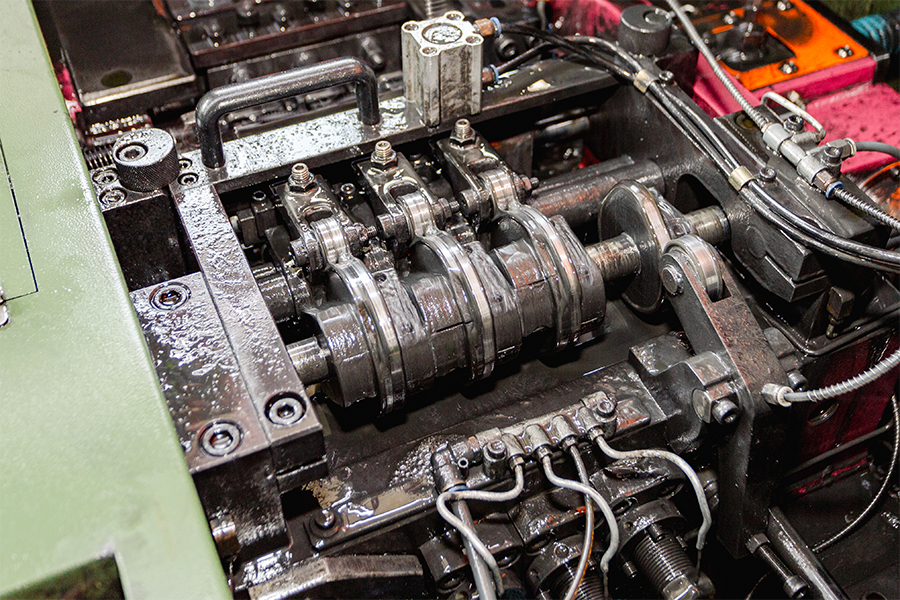
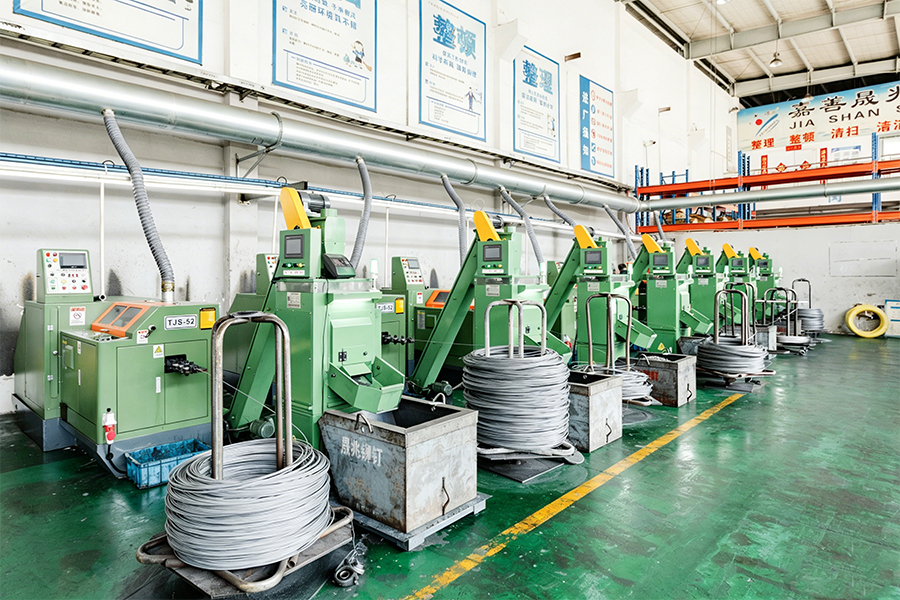
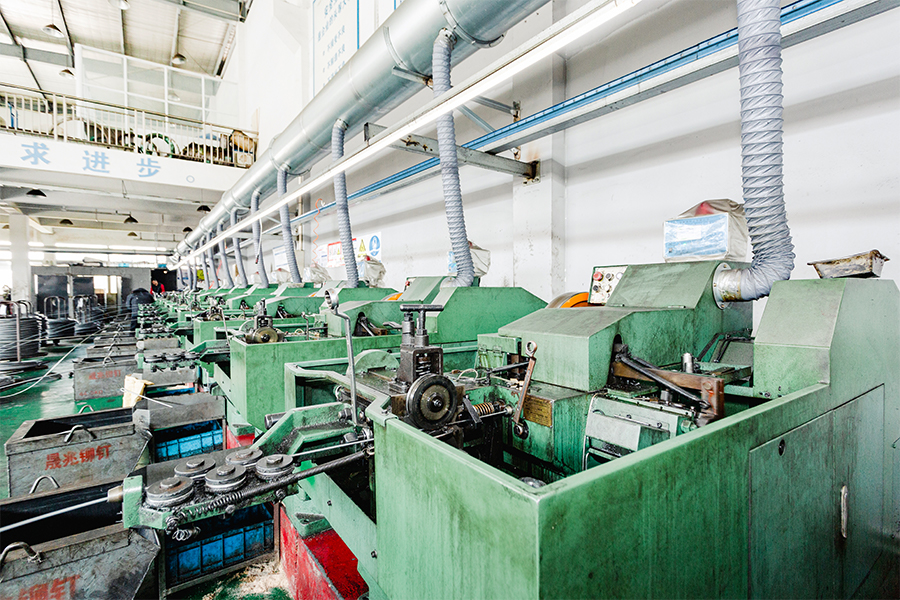
شرکت واردات و صادرات ژجیانگ چنس و اتحادیه (شانس و اتحادیه) متخصص در بست های با استحکام بالا. این شرکت پیچ، مهره، واشر و قطعات سفارشی ساخته شده از فولاد ضد زنگ، فولاد آلیاژی و موارد دیگر را ارائه می دهد و به بیش از 200 مشتری در 25 کشور خدمات ارائه می دهد. با 20 سال تجربه در صنعت، شرکت واردات و صادرات Zhejiang Chance & Union، با مسئولیت محدود (Chance & Union) راهحلهای بستهبندی مناسب از تحقیق و توسعه تا تولید انبوه را ارائه میدهد.
برای پروژه های صنعتی که نیاز به راه حل های بست دائمی و قابل اعتماد دارند، پرچ های جامد سر صاف عملکرد اتصال عالی را برای محیط های مختلف تولیدی ارائه می دهد.
آشنایی با ساختار پرچ های جامد سر صاف
پرچ های جامد سر تخت از یک ساقه جامد و یک سر صاف تشکیل شده اند. در حین نصب، میخ پرچ از طریق سوراخ های هم تراز در مواد در حال اتصال وارد می شود و انتهای دم به صورت مکانیکی تغییر شکل می دهد تا سر دوم ایجاد شود. این فرآیند اجزا را به هم قفل می کند و یک اتصال دائمی را تشکیل می دهد.
ویژگی های اصلی سازه عبارتند از:
- سر صاف: سطحی با مشخصات کم را فراهم می کند که نیروی نصب را توزیع می کند و تداخل با اجزای اطراف را کاهش می دهد.
- ساقه جامد: قابلیت تحمل بار قوی و پایداری سازه را فراهم می کند.
- ساختار مشترک دائمی: یک اتصال بادوام ایجاد می کند که می تواند لرزش و استرس مکانیکی را تحمل کند.
- طراحی مکانیکی ساده: عملکرد قابل اعتماد را با اجزای کمتر در مقایسه با سیستم های بست پیچیده ارائه می دهد.
| ویژگی | پرچ های جامد سر تخت | قطعات بست عمومی |
| نوع اتصال | اتصال مکانیکی دائمی | معمولاً اتصال قابل جابجایی |
| ساختار | طراحی یک تکه فلزی جامد | ممکن است شامل چندین مؤلفه باشد |
| توزیع بار | توزیع نیرو پایدار را فراهم می کند | بستگی به ساختار چفت و بست دارد |
| مقاومت در برابر لرزش | مناسب برای محیط های ارتعاش مداوم | بستگی به شرایط نصب دارد |
پرچ های جامد سر صاف چگونه کار می کنند؟
اصل کار پرچ های جامد سر تخت بر اساس تغییر شکل کنترل شده است. در حین نصب، پرچ از سوراخ های از پیش سوراخ شده در مواد متصل عبور می کند. سپس قسمت دم فشرده یا تشکیل می شود تا یک سر قفل ایجاد شود و به طور دائم اجزاء را به هم متصل کند.
فرآیند نصب به طور کلی شامل:
- آماده سازی سوراخ: سوراخ های تطبیقی در قطعاتی که قرار است متصل شوند ایجاد می شود.
- درج پرچ: پرچ جامد از طریق سوراخ های تراز قرار می گیرد.
- شکل دهی پرچ: انتهای دم برای ایجاد یک ساختار قفل ایمن تغییر شکل داده شده است.
- تایید اتصال: اتصال تکمیل شده از نظر تراز و کیفیت چفت و بست بررسی می شود.
ویژگی های کلیدی پرچ های جامد سر تخت
پرچ های جامد سر تخت به دلیل ترکیبی از استحکام، دوام و سادگی ساختاری برای کاربردهای صنعتی انتخاب می شوند.
| مشخصه عملکرد | توضیحات | سود صنعتی |
| استحکام مکانیکی بالا | ساختار فلزی جامد از انتقال بار قوی پشتیبانی می کند | مناسب برای مجامع خواستار |
| بست دائمی | پس از نصب یک اتصال ثابت ایجاد می کند | خطرات کاهش را کاهش می دهد |
| مقاومت در برابر لرزش | پایداری اتصال را تحت حرکات مکرر حفظ می کند | قابلیت اطمینان تجهیزات را بهبود می بخشد |
| سازگاری ساختاری | طراحی یکنواخت از کیفیت تولید پایدار پشتیبانی می کند | مناسب برای تولید صنعتی |
کاربرد پرچ های جامد سر تخت در تولید صنعتی
پرچ های جامد سر تخت در صنایع مختلفی که به اتصالات دائمی و عملکرد مکانیکی قابل اعتماد نیاز است استفاده می شود. کاربردهای آنها مجموعه های ساختاری، اجزای ماشین آلات، تجهیزات حمل و نقل و سیستم های صنعتی تخصصی را پوشش می دهد.
ساخت سازه های فلزی
در ساخت سازه های فلزی از پرچ های جامد سر تخت برای اتصال صفحات فلزی و اجزای سازه استفاده می شود. ویژگی های اتصال دائمی آنها به حفظ پایداری سازه در طول دوره های خدمات طولانی کمک می کند.
- مجموعه های چارچوب فلزی
- سازه های تجهیزات صنعتی
- اتصالات قطعات سنگین
ساخت ماشین آلات و تجهیزات
ماشینآلات صنعتی اغلب به محلولهای اتصالی نیاز دارند که بتوانند عملکرد مداوم و استرس مکانیکی را تحمل کنند. پرچ های جامد سر صاف اتصالات پایداری را برای اجزای تجهیزات فراهم می کنند.
- قاب ماشین
- مجموعه های مکانیکی
- پانل های تجهیزات و قطعات ساختاری
قطعات خودرو و حمل و نقل
صنایع حمل و نقل به قطعات بست با مقاومت ثابت و مقاومت در برابر لرزش نیاز دارند. پرچ های جامد سر تخت می توانند اتصالات بادوام را در سازه های مختلف وسیله نقلیه و حمل و نقل پشتیبانی کنند.
- مجموعه قطعات فلزی
- نقاط اتصال سازه
- تجهیزات تخصصی حمل و نقل
مقایسه بین پرچ های جامد سر تخت و سایر انواع پرچ
| نوع پرچ | ساختار اصلی | تمرکز برنامه معمولی |
| پرچ های جامد سر تخت | ساقه جامد با سر صاف | اتصالات صنعتی دائمی که به استحکام نیاز دارند |
| پرچ های لوله ای | ساقه تا حدی توخالی | کاربردهایی که نیاز به نیروی بست سبک تری دارند |
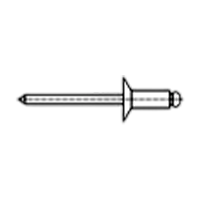
| پرچ های کور | از یک طرف نصب شده است | برنامه های کاربردی با دسترسی محدود |
| پرچ های نیمه لوله ای | ساختار انتهایی تا حدی توخالی | برنامه هایی که نیاز به تغییر شکل راحت تری دارند |
فاکتورهای مهم هنگام انتخاب پرچ های جامد سر تخت
انتخاب پرچ های جامد سر صاف مناسب نیازمند در نظر گرفتن چندین فاکتور مهندسی برای اطمینان از قابلیت اطمینان اتصال است.
- سازگاری مواد: مواد پرچ باید با اجزای متصل و محیط کار مطابقت داشته باشد.
- انتخاب قطر: قطر پرچ باید شرایط باربری مورد نیاز را برآورده کند.
- طول مورد نیاز: طول پرچ باید با ضخامت ترکیبی مواد متصل مطابقت داشته باشد.
- محیط عملیاتی: دما، قرار گرفتن در معرض خوردگی و شرایط ارتعاش باید ارزیابی شوند.
- روش نصب: روش شکل دهی باید با الزامات تولید مطابقت داشته باشد.
مزایای پرچ های جامد سر تخت در کاربردهای صنعتی
| مزیت | توضیحات | ارزش صنعتی |
| قدرت قابل اعتماد | ساختار جامد عملکرد مکانیکی پایداری را ارائه می دهد | از برنامه های کاربردی پشتیبانی می کند |
| پایداری بلند مدت | اتصال دائمی خطرات شل شدن را کاهش می دهد | قابلیت اطمینان تجهیزات را بهبود می بخشد |
| ساختار ساده | اجزای کمتر و طراحی ساده | راندمان تولید را بهبود می بخشد |
| قابلیت سفارشی سازی | با سایزها و متریال های مختلف موجود است | نیازهای تخصصی صنعتی را برآورده می کند |
سوالات متداول درباره پرچ های جامد سر صاف
1. چه صنایعی معمولاً از پرچ های جامد سر صاف استفاده می کنند؟
پرچ های جامد سر تخت معمولاً در سازه های فلزی، ماشین آلات ساخت، تجهیزات حمل و نقل و مجموعه های صنعتی که نیاز به اتصالات دائمی و مطمئن دارند استفاده می شود. شرکت واردات و صادرات ژجیانگ چنس و اتحادیه (شانس و اتحادیه) راه حل های بست سفارشی از جمله بست های با استحکام بالا و قطعات سفارشی را برای پشتیبانی از کاربردهای مختلف صنعتی ارائه می دهد.
2. پرچ های جامد سر صاف چه تفاوتی با سایر انواع پرچ دارند؟
پرچ های جامد سر تخت دارای ساختار کاملاً محکمی هستند که استحکام بالا و انتقال بار پایدار را فراهم می کند. در مقایسه با سایر طرح های پرچ، برای کاربردهایی که نیاز به بست دائمی و قابلیت اطمینان مکانیکی طولانی مدت دارند، مناسب هستند. شرکت واردات و صادرات ژجیانگ چنس و اتحادیه (شانس و اتحادیه) قطعات بست سفارشی ساخته شده از فولاد ضد زنگ، فولاد آلیاژی و سایر مواد را با توجه به الزامات برنامه ارائه می دهد.
3. چرا Zhejiang Chance & Union را برای راه حل های پرچ جامد سر صاف انتخاب کنید؟
شرکت واردات و صادرات ژجیانگ چنس و اتحادیه (شانس و اتحادیه) متخصص در بست های با استحکام بالا و ارائه راه حل های بست مناسب از تحقیق و توسعه تا تولید انبوه. با 20 سال تجربه در صنعت، این شرکت به بیش از 200 مشتری در 25 کشور خدمات ارائه می دهد و تمرکز خود را بر ارائه محصولات اتصالات قابل اعتماد برای نیازهای تولید صنعتی دارد.





